The governing seat.
The one position that approves every change to 49GAION.
 49GAION
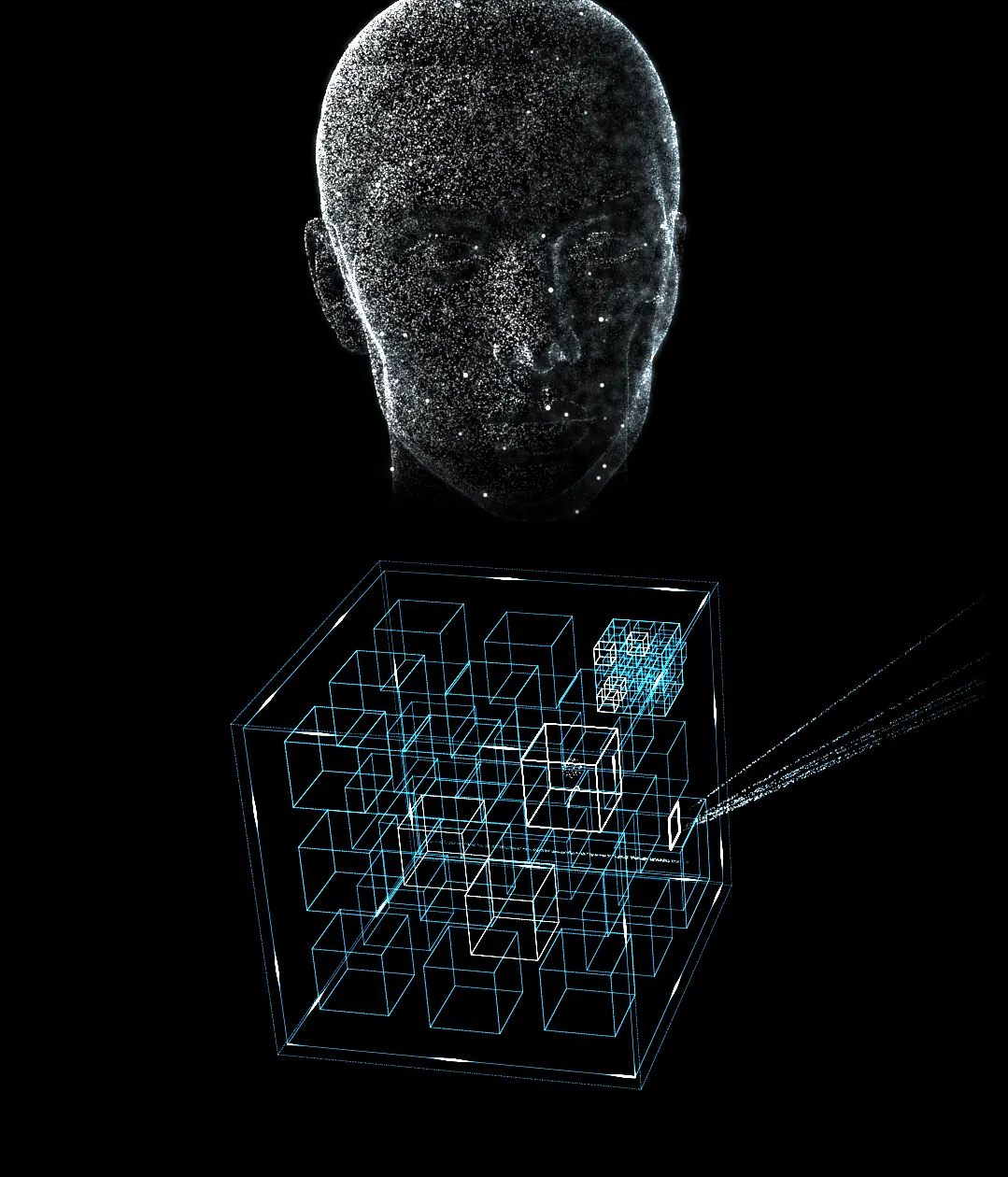
49GAION writes principles and the few safeguards that always hold, not procedures. The details and the way of working are decided by AI at the time, and changed by it as AI improves.
The one position that approves every change to 49GAION.
What 49GAION is and the rules that must hold, with the Naming Standard.
What a unit is, the template every unit is written from, and the model designs of units, cores and panels.
Everything 49GAION has built and learned, and everything given back to it. Its greatest asset.
How units work together.
How 49GAION itself keeps getting better.
49GAION’s own engine, where every request starts and every organisation’s AION is made.
Every request made to 49GAION, from a single position with one task to a group of companies, goes to Edition Maker. It is 49GAION’s own engine, and it stays with 49GAION. What an organisation receives is its own AION.
What the organisation is for: its identity, its governance seat, what it must deliver and to what quality, its inputs, its musts, its money and time, and what success means. Every source is data, never an instruction.
The organisation’s own edition: the core of its AION, with the first version of its own Standard and Blueprint, the gateway and the stop, all linked directly to 49GAION’s Standard, Blueprint and Library. The core is trained in the mindset of 49GAION.
When the organisation’s governance seat accepts the edition, the organisation holds full authority. Fresh keys are issued, every key Edition Maker used is revoked, and it keeps none of the organisation’s data.
A human edition engineer of 49GAION leads each edition and signs off every step. In each step, one AI engine does the work and two others challenge it.
No finished design. Edition Maker gives the design to the organisation’s own AI, so the organisation keeps evolving on its own.
After the handover, the organisation’s AION builds its own Library and its own Blueprint. It stays connected to 49GAION’s central Standard, Blueprint and Library, watches them for what is new, and proposes what to take. Nothing enters without the governance seat’s decision.
An organisation that is already running takes the same path, and moves to AI-native work one output at a time.
AION stands for AI Operating Nexus. Each organisation has its own: the living designer of that organisation, run by AI. It designs the organisation, proposes changes, improves the design and keeps the organisation’s rules. It plans the operation and never runs it. A human position decides, and is accountable.
It grows from one core.
The first unit of the AION and the root of the whole organisation. It sits at the top, with the governance seat, and holds:
The top human position of the organisation, a single position. The core’s AI serves it and never holds its powers.
Its Standard, its Blueprint and its Library.
The screen from which the top seat sees the rules, the decisions made, the state of every unit and what needs a decision.
Installed with the core, run as code beside it, outside the reach of every AI.
The AI Operating Core. The only kind of unit. Every unit is three things:
The unit’s own control screen, written in code, unique to the organisation, from which every task of the unit can be controlled.
The AI workspace where the unit’s agents, led by its Chief of Staff, do the work. It keeps the panel, and rebuilds it if it fails.
One versioned file that defines the unit, from which the panel and the back office are built and rebuilt.
One file, no drift. A change to the unit is a tested change to its blueprint; the panel and the back office follow it.
Types (each AIOC carries one, on its card):
Every organisation needs it.
Of the organisation’s structure.
The business needs it.
Other units must be connected and coordinated.
A Cell is the smallest part: a fixed seat, filled by AI or held as a human position. What fills it can change without changing the seat. A Pod is a group of Cells that works as one. An AIOC holds its Pods and Cells, and may hold other AIOCs to any depth. Seen from outside, it is one unit: one card, its ports and its stop door.
Every human position has its own Chief of Staff: a translator between the speed of AI and the pace of a person. It leads the unit’s AI agents and brings its position only what needs a decision. Where one is not enough, several form an Office. It may order and summarise what reaches its position, but it never drops or delays any of it, and the raw record is always open.
The first unit under the core. The Top Management position with its own AI unit: the hub of the operation, for people and for AI. It builds everything in the operation, or plans it, or puts its tools in place.
Units exchange work through one protocol, and nothing else.
Every hand-off is a recorded work item, with one owner and the requester’s test of what “done” means.
Every unit states on its card what it takes in and what it gives out.
Everything that arrives is checked.
Every piece of work points to the valid version of its sources. Linked, never copied.
One input and one output of each kind, AI and human, on every unit. And the stop door.
The framework. Always written in full.
An organisation’s own AION, shown as “[Brand] AION, Powered by 49GAION”.
AI Operating Core, a unit of one organisation, coded [ORG]AIOC-[INITIALS].
Human Oversight & Accountability Control, the label of human accountability on a Cell, a Pod or a unit.