The governance seat.
The purpose, the strategy and the measures of success; the risk appetite; capital and the balance of resources; every change to the organisation’s own rules; revoking or stopping in an emergency.
 49GAION
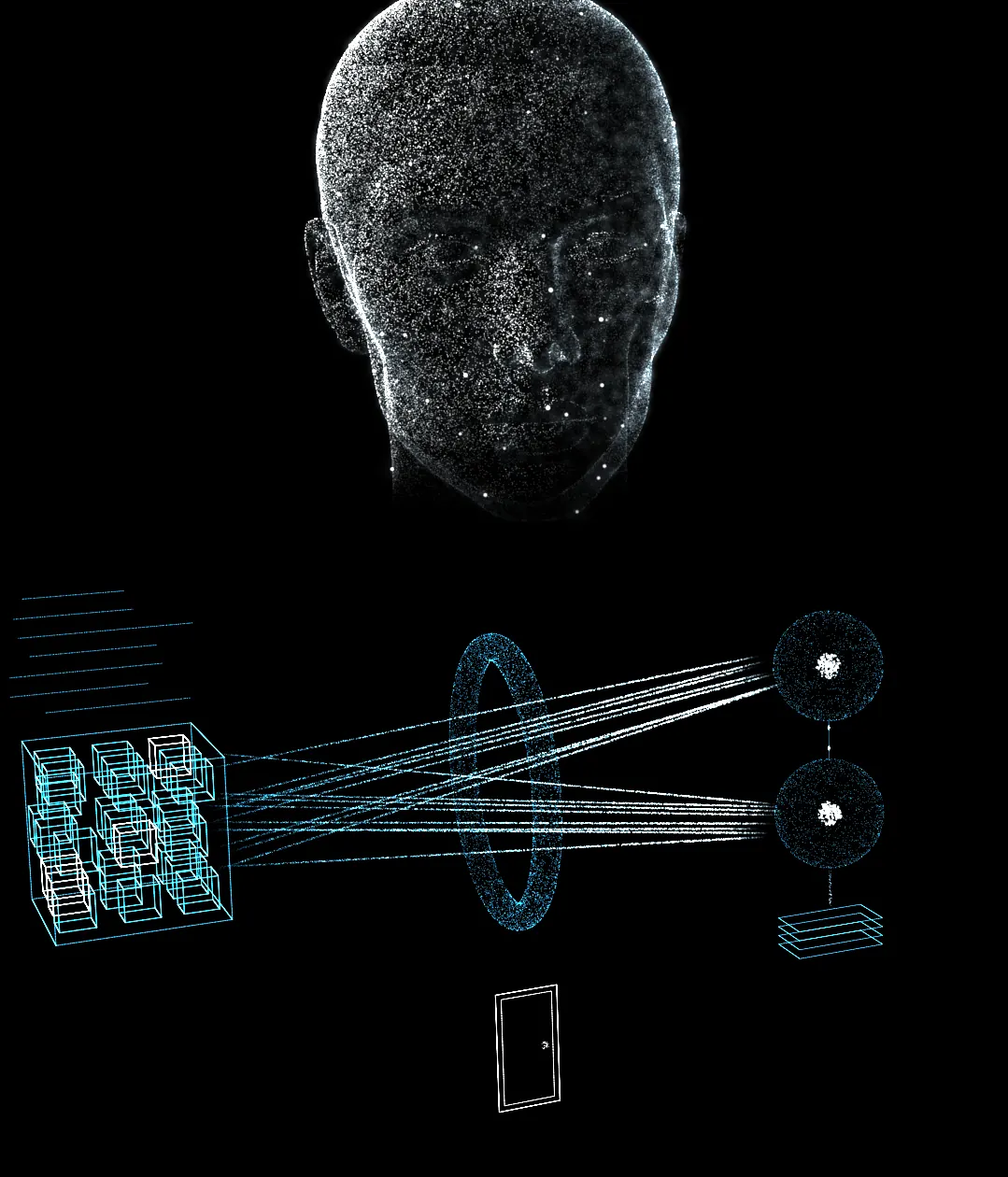
The system knows two kinds of actor, and no other: AI, organised in units, and human positions. Authority rests with the position, never with a name.
The purpose, the strategy and the measures of success; the risk appetite; capital and the balance of resources; every change to the organisation’s own rules; revoking or stopping in an emergency.
Runs the whole operation within its mandate; sets up the positions below it; asks the top seat for anything beyond its limits.
A human position wherever a step needs human accountability. It answers for that step.
Designs and proposes; may reject a proposal with its reason; applies a change to the rules only with the top seat’s approval.
Do the work, within the authority they were given. Never more.
The top seat hands the whole operation to Top Management early: the outputs and measures, the limits, the matters it keeps, the reports owed.
The limits of cost, resources and capacity.
Anything beyond the envelope is asked for by Top Management and decided by the top seat.
At any time the top seat may stop a decision, replace it with its own, or change the envelope.
How much the AION may decide alone: a standing approval, signed once, for changes that can be undone and widen nothing.
Nineteen kinds of work always stay with people, by their nature. Organisations can be more human, never less, and the system enforces it.
AI acts only within the access and authority it has been given. If the authority is missing or unclear, it does nothing.
Every unit has a stop door, a human control outside the unit and outside every AI. A stop withdraws the unit’s access and cancels its work. Only a human decision restarts it.
Every call an AI makes to a tool or an engine passes through one gateway. It holds the keys, logs every call, and fails closed. A stop is never blocked.
A stop or a hold is never blocked. A grant or a widening needs a signature.
No result counts until another AI engine has challenged it, scaled to the risk of the step. One engine works, two challenge.
Every unit has a fixed test, ready before it runs, built from the quality standard it was given. A human position signs every change to it.
Human silence is never consent.
Any change to their code counts as loosening.
Every work item carries its original requester. An act runs only within the authority of both.
AI may prepare a report. The route by which a report, an objection or a stop reaches a person never runs through any AI, so no AI can hold it back.